Why Quality Playtime Matters
During early childhood, a kid's brain forms thousands of neural connections every second. Engaging toys provide sensory and hands-on experiences that support this rapid brain growth.
Key benefits of purposeful play include:
-
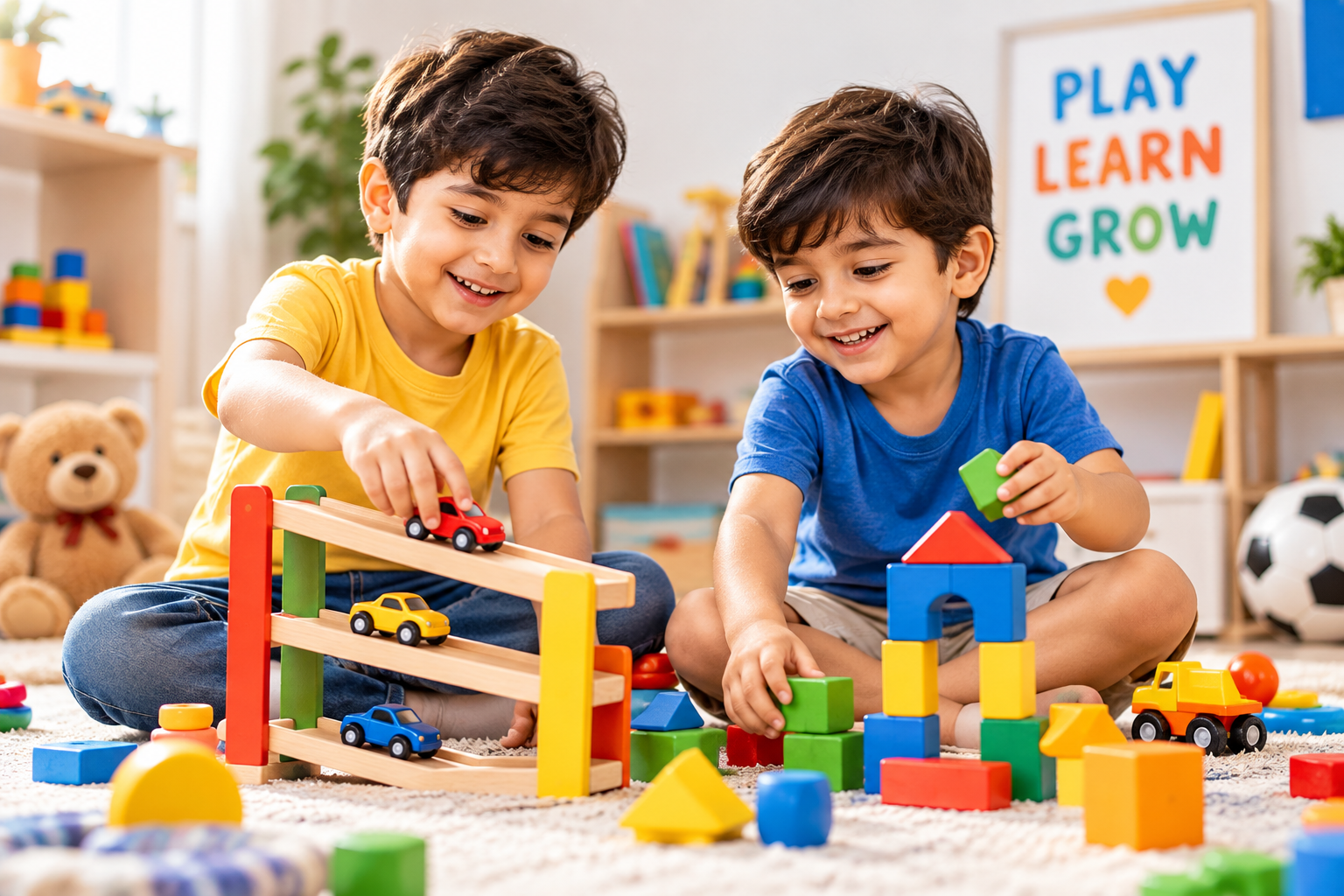
Cognitive Development: Puzzles and building blocks sharpen critical thinking and problem-solving skills.
-
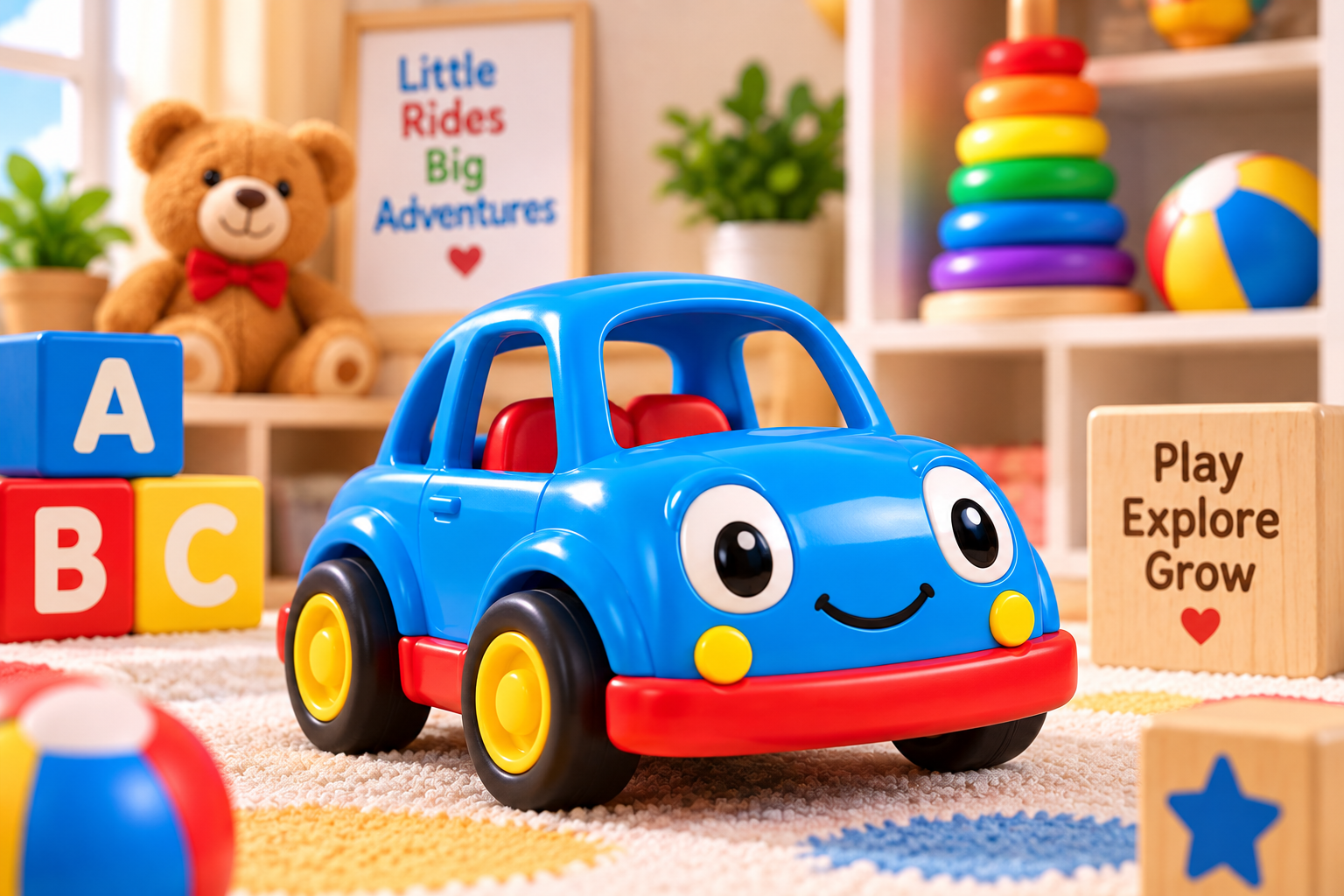
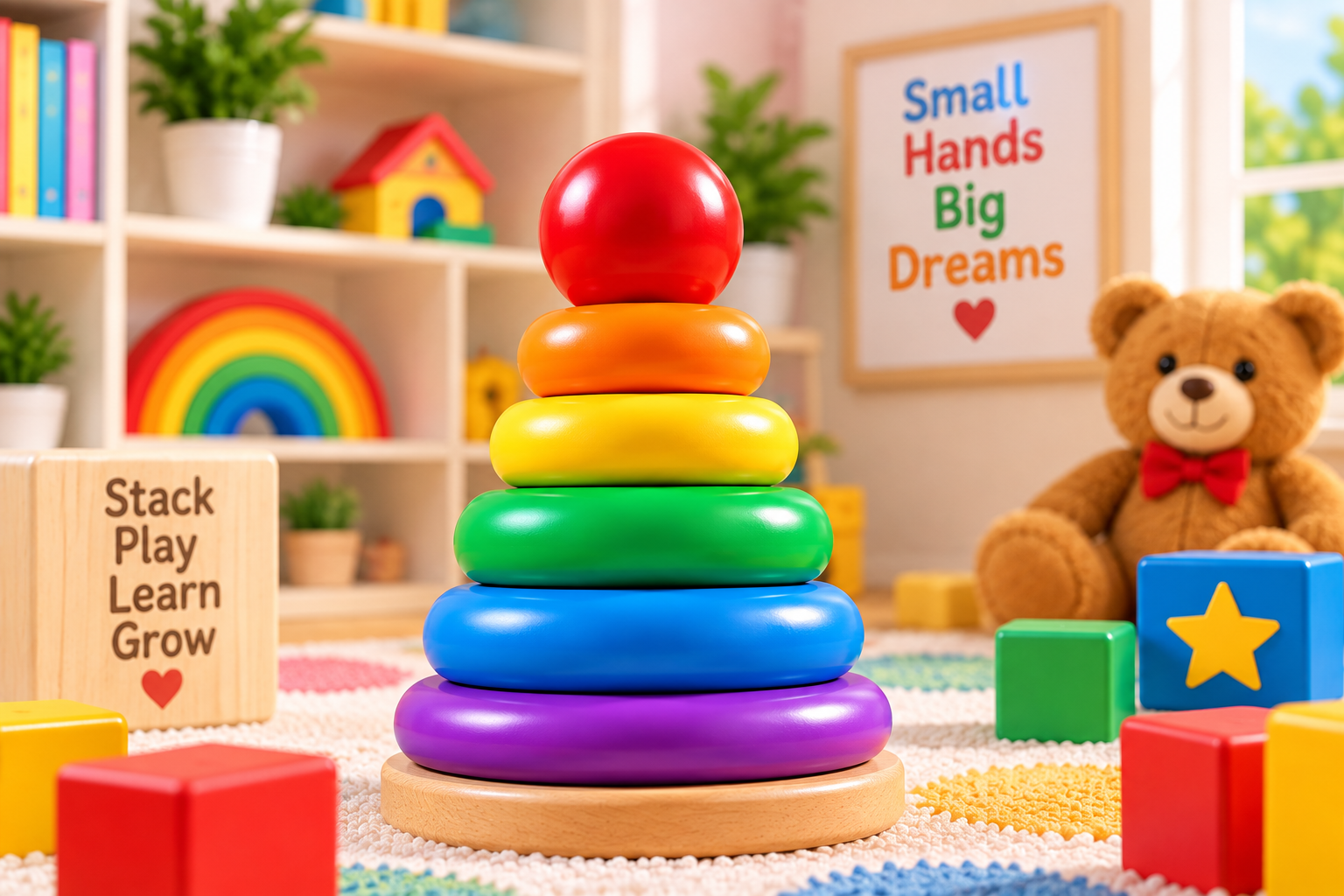
Fine & Gross Motor Skills: Stacking rings, clay, and riding toys strengthen hand-eye coordination and physical balance.
-
Social & Emotional Intelligence: Board games and pretend-play sets teach sharing, empathy, and patience.
-
Language & Creativity: Open-ended play encourages kids to construct stories, expand their vocabulary, and express emotions freely.
Top Toy Categories for Every Stage of Growth
Choosing the right toy depends on your child's age, curiosity, and developmental milestones. Here is a breakdown of essential toy categories every parent and caregiver should explore:
1. Educational & STEM Toys
From magnetic building tiles to simple coding kits and science experiment sets, STEM (Science, Technology, Engineering, and Math) toys foster curiosity. They transform complex concepts into fun, hands-on challenges.
2. Pretend Play & Roleplay Sets
Kitchen sets, doctor kits, toolboxes, and dress-up costumes encourage children to step into different roles. Roleplay builds confidence, improves speech, and fosters creative problem-solving.
3. Sustainable & Wooden Toys
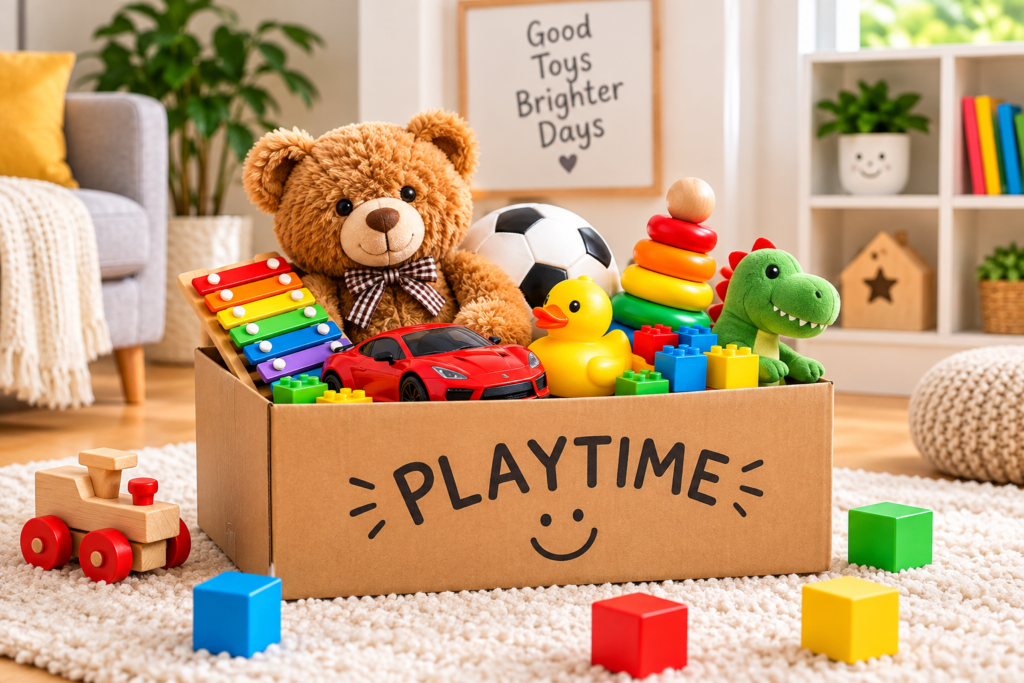
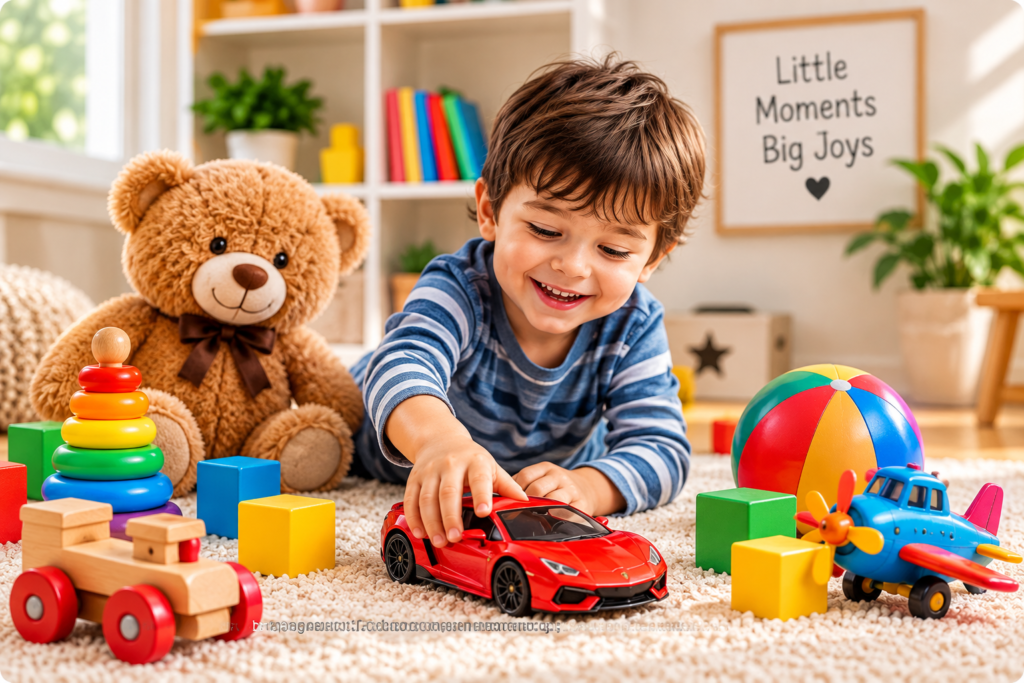
Modern parents are increasingly choosing classic, eco-friendly wooden toys. Free from harmful chemicals and batteries, open-ended wooden items—like rainbow stackers and wooden trains—encourage child-led exploration and last for generations.
4. Outdoor & Active Toys
Bicycles, scooters, ball games, and sandbox sets get children away from screens and into the fresh air. Active toys build endurance, muscular strength, and spatial awareness.
4 Tips for Choosing the Best Kids' Toys
With thousands of options available online and in stores, picking the right toy can feel overwhelming. Keep these four guidelines in mind:
-
Prioritize Safety First: Check for non-toxic materials, smooth edges, and age-appropriate safety certifications to prevent choking hazards.
-
Favor "Open-Ended" Toys: Toys that can be used in multiple ways (like basic building blocks) offer far more long-term play value than single-function electronic toys.
-
Follow Their Interests: Observe what captivates your child—whether it is dinosaurs, space, art, or mechanics—and choose toys that nurture that specific passion.
-
Avoid Overstimulation: Simple toys that require the child to act, think, and move are generally far better for attention spans than toys that just light up and play loud sounds.